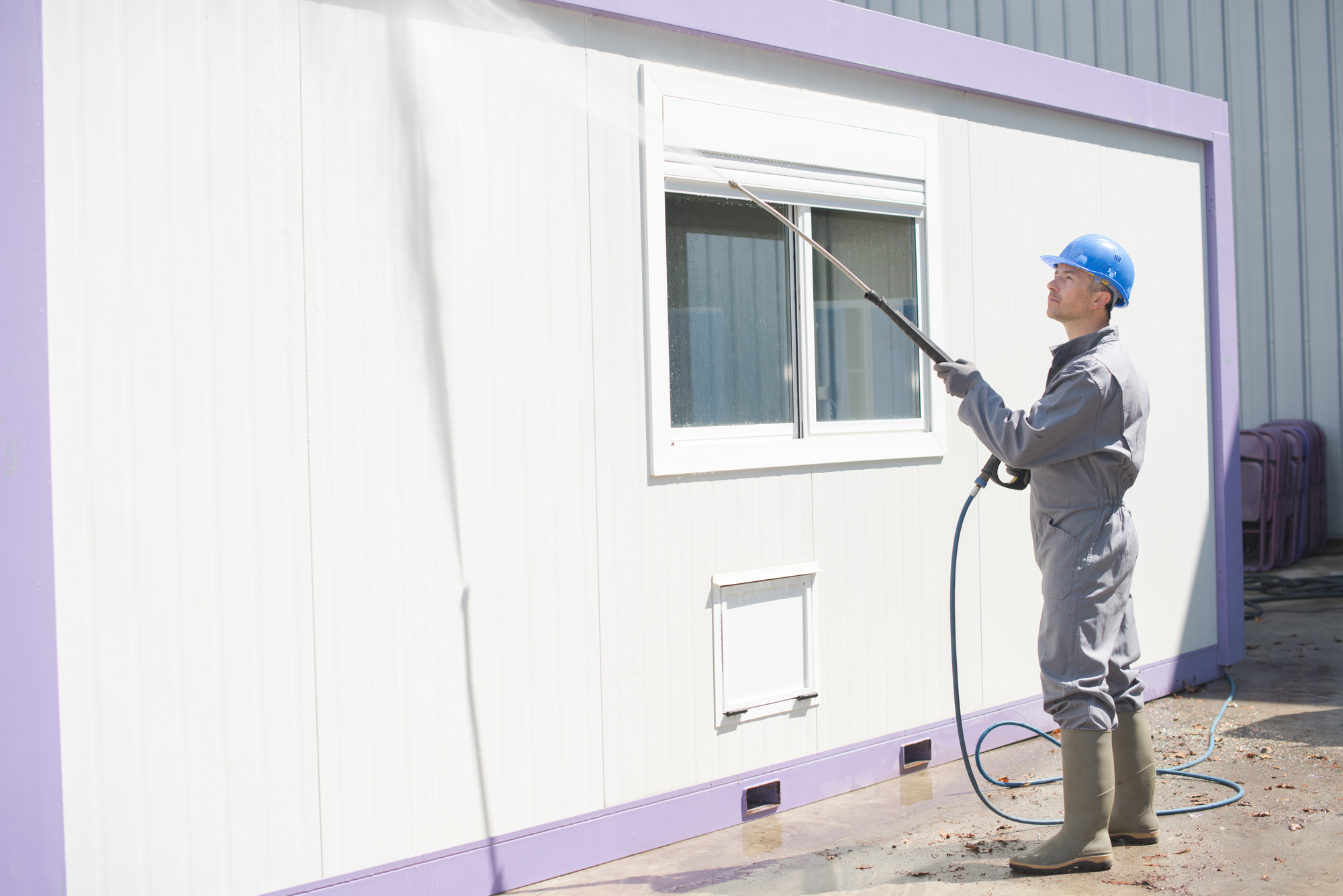
The Importance of Power Washing Exterior Surfaces in Coeur d’Alene, ID
GET A QUOTE
There’s a point every spring in Coeur d’Alene when the snow finally backs off, the sun sticks around a little longer, and people start circling their house like inspectors. Not in a bad way. Just that quiet walk where you notice things you ignored all winter.
Deck boards look darker than you remember. Siding has streaks. The north side of the house is… doing something weird.
North Idaho winters leave their mark. Snow, ice, freeze-thaw cycles, and months of moisture don’t exactly disappear politely. They linger. And when spring shows up, all that leftover grime becomes impossible to unsee.
That’s why power washing matters so much here. Not as a cosmetic trick, but as a necessary reset before exterior painting or seasonal maintenance even makes sense.
Why Homes in Coeur d’Alene Collect So Much Buildup
Cold winters and long shoulder seasons mean exterior surfaces stay damp for extended periods. Snow melts. Refreezes. Melts again. Dirt gets pulled into siding seams. Mold and algae find shaded areas and settle in quietly.
I’ve noticed homeowners often assume darker siding means aging paint. Sometimes it does. But a lot of the time, it’s buildup that never had a chance to wash away on its own.
Power washing helps remove:
- Mildew and algae that thrive in cool, damp conditions
- Dirt and grit from snowmelt and runoff
- Pollen that coats everything once spring hits
- Chalky residue from older paint
- Loose paint that’s already starting to let go
Once that layer is gone, surfaces look cleaner, but more importantly, they’re ready for whatever comes next.
Why Power Washing Comes Before Exterior Painting
This question comes up constantly.
“Can we just paint over it?”
In North Idaho, that’s rarely a good idea.
Paint needs a clean surface to bond properly. When dirt, mildew, or residue is left behind, paint struggles to stick. Sometimes problems show up fast. Other times they sneak in a year or two later, which somehow feels worse.
Skipping proper washing often leads to:
- Peeling along siding seams
- Bubbling from trapped moisture
- Uneven color or sheen
- Shorter paint lifespan
Exterior painters in Coeur d’Alene ID treat power washing as a foundational step, not an optional extra. It quietly determines how long a paint job actually holds up against local weather.
Seasonal Timing Makes a Big Difference Here
Spring is the most common time for power washing in Coeur d’Alene. Once surfaces thaw, everything winter left behind becomes visible at once.
Late spring and early summer tend to work well because:
- Temperatures are mild
- Surfaces dry at a steady pace
- Moisture levels are manageable
- Painting schedules line up naturally afterward
Summer washing can work too, though heat can dry surfaces quickly and timing still matters. Fall washing is another solid option if you’re prepping surfaces before winter comes back around. Winter washing, though, usually isn’t practical unless conditions are unusually mild.
Different Materials Need Different Pressure
One of the biggest misconceptions about power washing is that more pressure equals better results. That’s how damage happens.
Vinyl siding
Handles moderate pressure well, but spraying at the wrong angle can push water behind panels.
Wood siding and trim
Common in North Idaho homes. These surfaces need a gentler approach to avoid gouging or splintering.
Decks and railings
Too much pressure can leave visible lines or rough patches that show through stain or paint later.
Concrete and walkways
Can handle higher pressure, but lingering too long can leave marks, especially on older concrete.
Roofs
Should never be pressure washed. Soft-wash systems are used instead to protect shingles.
Experience matters here. Knowing when to dial pressure back is just as important as knowing how to clean thoroughly.
Equipment Isn’t Just “Grab and Go”
Renting a pressure washer sounds simple. Sometimes it works out fine. Other times, it leads to stripped paint or damaged siding.
Lower-powered electric units handle light cleaning. Gas-powered machines bring more force, which can be helpful or destructive depending on how they’re used. The strongest machines can cause damage quickly if handled carelessly.
Professional painting contractors focus on control, not brute force. Clean surfaces matter more than speed.
Common Power Washing Mistakes Homeowners Make
These pop up again and again:
- Standing too close and carving lines into siding or wood
- Spraying upward and forcing water behind panels
- Skipping detergents that break down mildew
- Not rinsing thoroughly
- Painting before surfaces are fully dry
Most of these mistakes don’t look serious at first. The problems usually show up later, when paint starts peeling or moisture issues appear.
How Power Washing Helps Paint Last Longer
Exterior paint already has a tough job in Coeur d’Alene. Cold winters, sun exposure, moisture, and temperature swings all take their toll. When surfaces are properly washed, paint has a much better chance of lasting close to its expected lifespan.
Skipping washing often shortens that lifespan, which leads to earlier repainting and higher costs over time.
A Helpful Idaho Resource for Homeowners
For general home maintenance and safety guidance in Idaho, this state resource is worth a look:
https://dbs.idaho.gov
It’s a solid reference if you’re planning exterior projects this season.
One Last Thought Before You Start Washing
Power washing looks simple, but it involves high pressure, slippery surfaces, ladders, and the risk of forcing water where it shouldn’t go. That’s why many homeowners prefer to have professionals handle washing as part of a broader exterior prep plan. If you’re thinking about exterior updates this year or lining things up for painting season, having a conversation with a local team like GB Painting can help you map out the right prep work before things get busy. Sometimes a little planning early on saves a lot of frustration later.