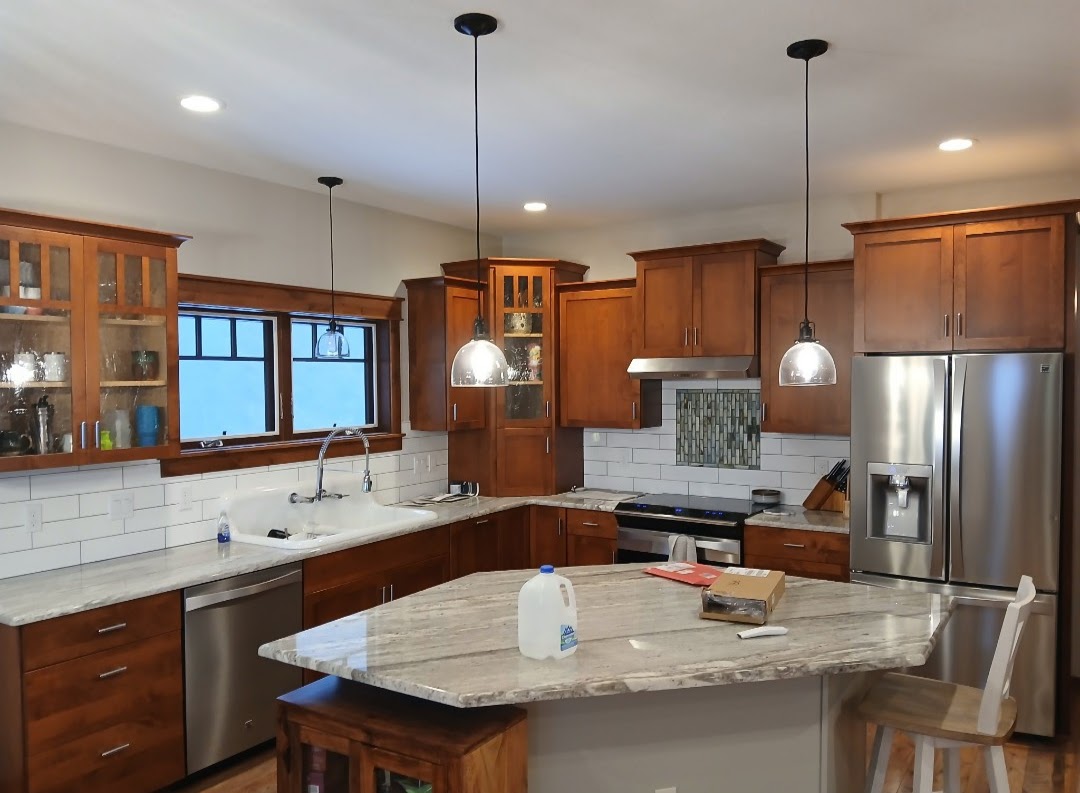
Can You Paint Your Home’s Interior in Winter in North Idaho?
GET A QUOTE
Winter doesn’t have to put your interior painting plans on hold. In fact, you can paint interior walls, ceilings, and trim during winter in North Idaho when the indoor environment meets the paint manufacturer’s temperature, humidity, and ventilation requirements. The key is managing conditions inside the house, not waiting for the snow outside to disappear.
If you’re looking around your Coeur d’Alene living room in November and noticing scuffed walls, dated colors, or trim that needs attention, you don’t necessarily need to wait until spring. At GB Painting, we help homeowners throughout Coeur d’Alene, Post Falls, Hayden, and surrounding North Idaho communities plan interior painting projects that fit their homes and schedules.
Does Cold Weather Affect Interior Painting?
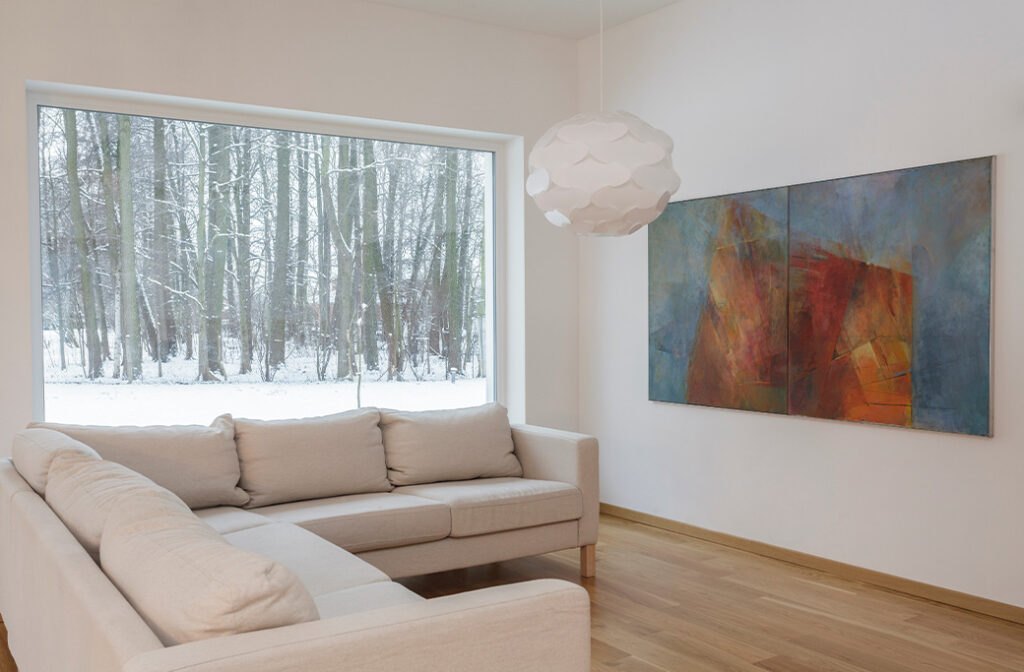
Outdoor temperature matters far less than the conditions where the paint is actually applied and dries. A heated home can provide a suitable painting environment even when temperatures outside are below freezing. However, a room that feels comfortable to you isn’t automatically suitable for every coating.
Paint manufacturers specify application and drying conditions for their products. The surface itself must also be warm enough; a cold exterior-facing wall or an unheated entryway can behave differently from an interior partition. If a surface is too cold, paint may not flow, level, or form a film as intended.
We consider the room, the surface, and the coating before recommending a plan. That distinction matters in North Idaho, where homes may include chilly mudrooms, lake cabins used seasonally, or rooms that aren’t heated consistently.
Why Winter Can Be a Convenient Time to Repaint
Refresh Rooms You’re Using More Often
Once the days get shorter, you spend more time looking at the rooms you live in. Scuffed hallway walls, a dark bedroom, or a worn living-room finish can feel more noticeable. A fresh color or carefully chosen sheen can make those everyday spaces feel cleaner and more intentional without a major renovation.
Get Ahead of Spring Projects
Many homeowners reserve warmer months for outdoor maintenance, decks, landscaping, and exterior painting. Handling an indoor repaint in winter can leave more flexibility for those projects when the weather improves. Timing still depends on the size of your project and our availability, so it’s worth discussing your preferred dates early.
Focus on the Details
Winter can be a practical time to address interior walls, along with ceilings, doors, baseboards, and trim. These surfaces require different preparation and finishing decisions. For example, a ceiling may benefit from a flatter finish that reduces glare, while frequently handled doors and trim often call for a more washable coating.
What Makes Winter Interior Painting Successful?
Keep Indoor Temperatures Consistent
A thermostat reading is only part of the picture. Paint must be applied within its product-specific temperature range, and the room and painted surfaces should remain within the recommended range while the coating dries and cures. Turning the heat down dramatically overnight may work against that goal.
For a seldom-used cabin or an unheated room, talk with us about whether the space can be conditioned reliably before work begins. We won’t assume that a house is ready simply because the furnace is on.
Manage Humidity and Drying Time
Water-based paint dries as moisture leaves the film. High indoor humidity and limited air movement can slow that process, while overly dry, heated air can change how quickly paint sets. Both conditions affect the working time available to achieve an even finish.
Dry-to-touch, recoat time, and full cure are not the same thing. A wall may feel dry before it is ready for another coat or before the finish reaches its expected durability. We follow the relevant product instructions rather than treating every paint or room as identical.
Ventilate Without Overcooling the Room
It’s natural to worry about opening windows in a North Idaho winter. Ventilation remains important during interior painting, even when low-odor or low-VOC products are used. The right approach depends on the product label, room layout, weather, and available ventilation equipment.
You shouldn’t have to choose between freezing the house and ignoring indoor air quality. We can discuss practical room access and ventilation considerations as part of our planning. Keep children and pets away from active work areas, and follow product guidance before using freshly painted rooms normally.
How Should You Prepare Your Home for a Winter Painting Project?
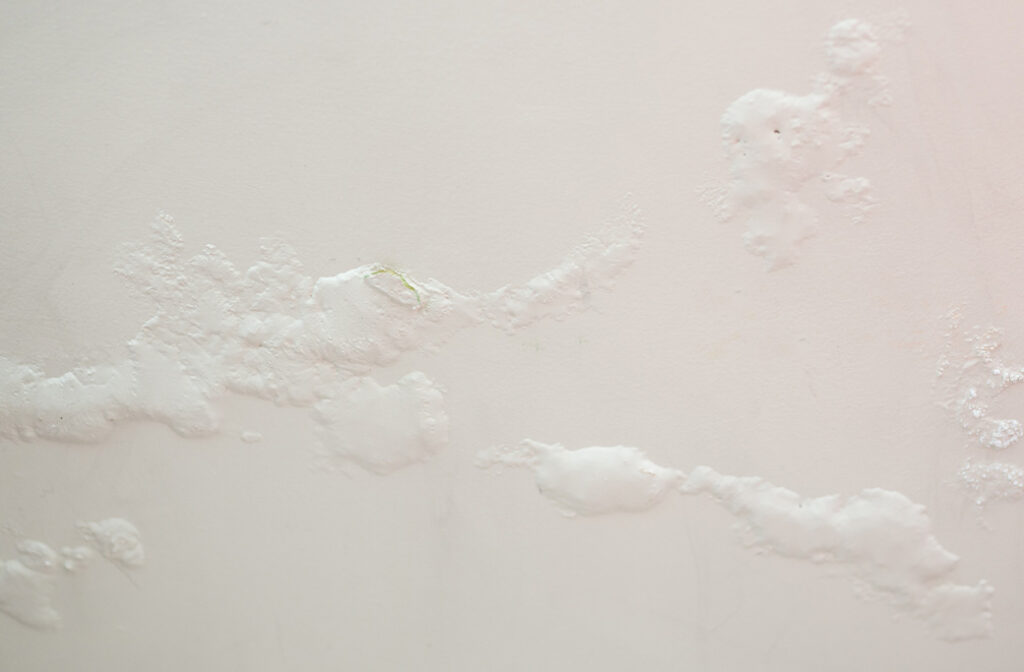
Start by identifying which rooms you want to repaint and which areas need special attention. Notice stains, peeling, cracks, nail holes, or recurring moisture problems. A stain caused by an active leak needs the underlying cause corrected; a coat of paint isn’t a repair for water intrusion.
Next, think through furniture, access, and daily routines. If you’re painting a bedroom, decide where you’ll sleep while the room is being worked on and ventilated. If it’s a busy kitchen or hallway, consider when the space can be out of service. Holiday visitors, pets, and work-from-home schedules can all affect the best sequence.
Finally, gather a few samples of colors or finishes you like. Winter daylight is different from summer daylight, and artificial lighting can shift how a color appears. Test candidate colors in the actual room and look at them in morning, afternoon, and evening light before making a final choice.
Our interior painting services in Kootenai County include wall, ceiling, and trim painting, along with surface preparation. We can help you evaluate what needs attention before choosing the right scope of work.
Which Rooms Are Good Candidates for Winter Painting?
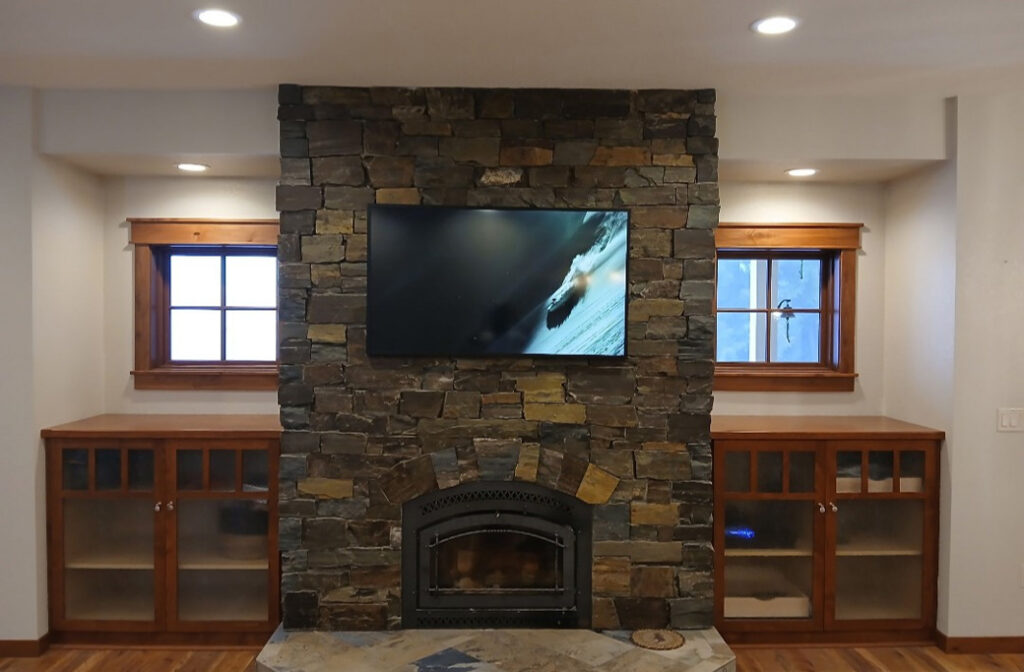
Living rooms and bedrooms: These spaces often offer straightforward access to walls and ceilings, although furniture protection and room availability still need planning. Bedrooms especially require a clear plan for ventilation and when the room can be occupied again.
Hallways and entry areas: High-traffic walls show scuffs quickly. In North Idaho, entry areas may also experience wet coats, snowy boots, and frequent contact. Selecting an appropriate washable finish can make day-to-day maintenance easier.
Kitchens and bathrooms: These spaces may need coatings suited to moisture and repeated cleaning. A bathroom with persistent condensation or inadequate ventilation deserves attention before repainting. The paint alone cannot solve a ventilation problem.
Trim, doors, and baseboards: Detail work can make a room look significantly more finished. These surfaces often need careful cleaning, preparation, and adequate cure time before they receive heavy use.
For more on our local residential painting work, visit our interior house painting page for Coeur d’Alene.
Should You Paint Yourself or Hire a Professional?
A small, accessible room may be manageable for a homeowner with the time and equipment. However, a larger project involves much more than rolling color onto a wall. Surface preparation, protecting floors and furniture, repairing minor imperfections, cutting clean lines, and choosing compatible primers and finishes all affect the outcome.
Winter adds a few questions: Is the room warm enough? Can it be ventilated appropriately? Will the finish have enough time to dry before the family needs the space? A professional assessment can help you avoid rushing these decisions.
At GB Painting, our interior painting work includes preparation and painting for residential spaces throughout North Idaho. We focus on a clean, finished appearance while considering how the work fits into your home life. If you’re weighing a DIY project against professional help, we can discuss the scope and provide an estimate.
Plan Your North Idaho Interior Painting Project
If winter has you noticing everything you’d like to change indoors, you don’t have to wait for warmer weather to start planning. From a single room to a broader interior refresh, we’re happy to discuss your goals, the surfaces involved, and the timing that works for your household.
Contact GB Painting to request an estimate for interior painting in Coeur d’Alene, Post Falls, Hayden, or nearby North Idaho communities. Call (208) 277-6502 or tell us about your project. We’ll help you take the next step toward a home that feels refreshed for the season ahead.
Frequently Asked Questions About Winter Interior Painting
Yes. Interior paint can dry when outdoor temperatures are below freezing, provided the room and surface remain within the manufacturer’s specified conditions, and ventilation is appropriate. The temperature outdoors does not determine drying time by itself.
Fresh air and ventilation are important, but the method should suit the paint product and the home. Follow the manufacturer’s safety instructions and avoid letting the painted surfaces become too cold. Low odor does not mean ventilation is unnecessary.
It can, especially if rooms are cool, humid, or poorly ventilated. Drying also depends on the coating, film thickness, and airflow. Follow the label’s recoat guidance and allow additional time when conditions require it.
Possibly, but the space must be brought into and maintained within the coating’s required temperature range before, during, and after painting. A brief burst of heat may not sufficiently warm the walls. Discuss the building’s heating schedule before committing to the project.
Winter can be suitable for interior finish work when conditions are controlled. Cabinets and frequently touched trim need particular attention to product compatibility and curing before regular use. Ask about the specific scope and finishing approach, rather than assuming the same schedule as a wall repaint.